
We believe that our industry can and should work together to promote the responsible enjoyment of alcohol and that collectively, we can positively change the nation’s relationship with alcohol.
Our commitment
We do not sell alcohol to anyone that we believe to be intoxicated.
We operate a Challenge 25 policy in our stores and on delivered sales, always asking for a recognised form of ID when we have reason to believe that the customer or person receiving goods may be under the age of 25.
We do not sell alcohol to customers whom we suspect of passing alcohol to under 18s.
We do not offer any incentives to our customers to drink irresponsibly.
How much is too much?
The government advises that people should not regularly drink more than their weekly unit guidelines:
Men: 14 units of alcohol
Women: 14 units of alcohol
This advice applies regardless of how often you drink alcohol; you shouldn’t interpret the guidance as allowing you to “save up” your units, it’s best to spread evenly across the week.
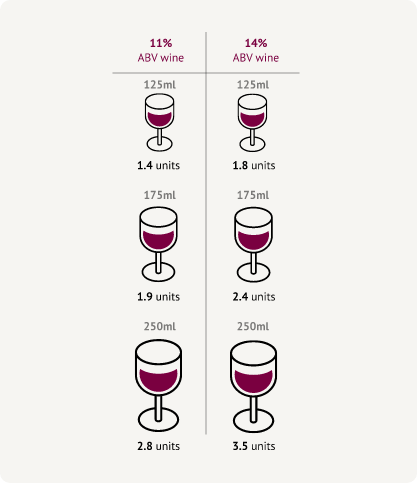
what is a unit
The size and strength of your drink will determine the number of units it contains. It’s not quite as simple as one drink, one unit - a glass of wine can range between just over one unit and more than three units depending on the size of the glass and type of wine.
Each alcohol type varies in the amount of calories they contain, but some can be as many as in a slice of pizza. Alcoholic drinks can contain a significant number of calories. Understanding the calorie content of different drinks can help you make more informed choices about your alcohol intake. An online alcohol calorie calculator can help you estimate the number of calories in a range of alcoholic drinks.
AlCOHOL AND THE LAW
The law on alcohol covers areas such as underage drinking, drink driving and drinking in public places. The rules and regulations vary depending on where you live, so it’s important to understand the laws that apply to you.
effects of alcohol
Alcohol can affect your health, wellbeing and lifestyle in a number of ways. Understanding the effects of alcohol can help you make informed and positive decisions about your drinking.
CALORIES IN ALCOHOL
Alcoholic drinks contain calories, as they are made through processes such as fermentation and distillation of natural starches and sugars.
The number of calories varies depending on the type of drink and how much you consume. Some alcoholic drinks can contain a similar number of calories to certain foods.
We are an active member of the Wine and Spirit Trade Association (WSTA). We are a Gold Corporate Sponsor of the Wine and Spirit Education Trust (WSET), the educating body for the wine and spirits trade. Every year we offer all staff the opportunity to complete the WSET intermediate, advanced or diploma certificates. These are offered free of charge to our employees. The courses cover content on the principles of alcohol and social responsibility.

